Botanical Artists of Canada – Exhibition 2015

Well, my mom’s paintings are delivered to Todmorden – thanks to Louise – and hopefully the list was correct and I got the Latin names right.  Some of the more recent paintings weren’t labelled, so I scoured the plant websites trying to match the image my mom painted to photos showing a seemingly endless variety of any one plant family.  I don’t think I fully realized how diverse nature can be.  The gallery has a lot of space at the front so I included two sketches from 1964, and a range of work dating up to 2012.  About 15 framed works in total.  I’ll see the what they look like on the gallery walls at the opening on Saturday…

Now that the paintings are gone I have to do something about the gaps on the walls all over the house.  I’ve been going through the cupboards and putting up paintings I haven’t seen for years.  Thank heavens the house is not renovated into an open concept living space – I need the walls to hang artwork on!

2015 Final Evite

http://www.botanicalartistsofcanada.org/exhibitions

The Big Picture

Thanks to Janet, we have a plan.

Otherwise, if you don’t know the plants and how they grow, (how big; when they flower; etc.) you could spend years fiddling around to get things where you want them.  Just got the news from Janet that she picked up the Liatris spicata and a few are getting ready to bloom 🙂

Now it’s time for the hard work.  Kent from church has offered to help and he is really keen about getting out there and digging. My only concern is the heat during the day out where the plot is, so we’ve planned to choose a weeding date in the late afternoon.  Of course, Janet has chosen plants that “I think will do well given the full-sun/prairie-like location with driveway on one side (heat island effect) and lawn on the other.”

Bring it on!

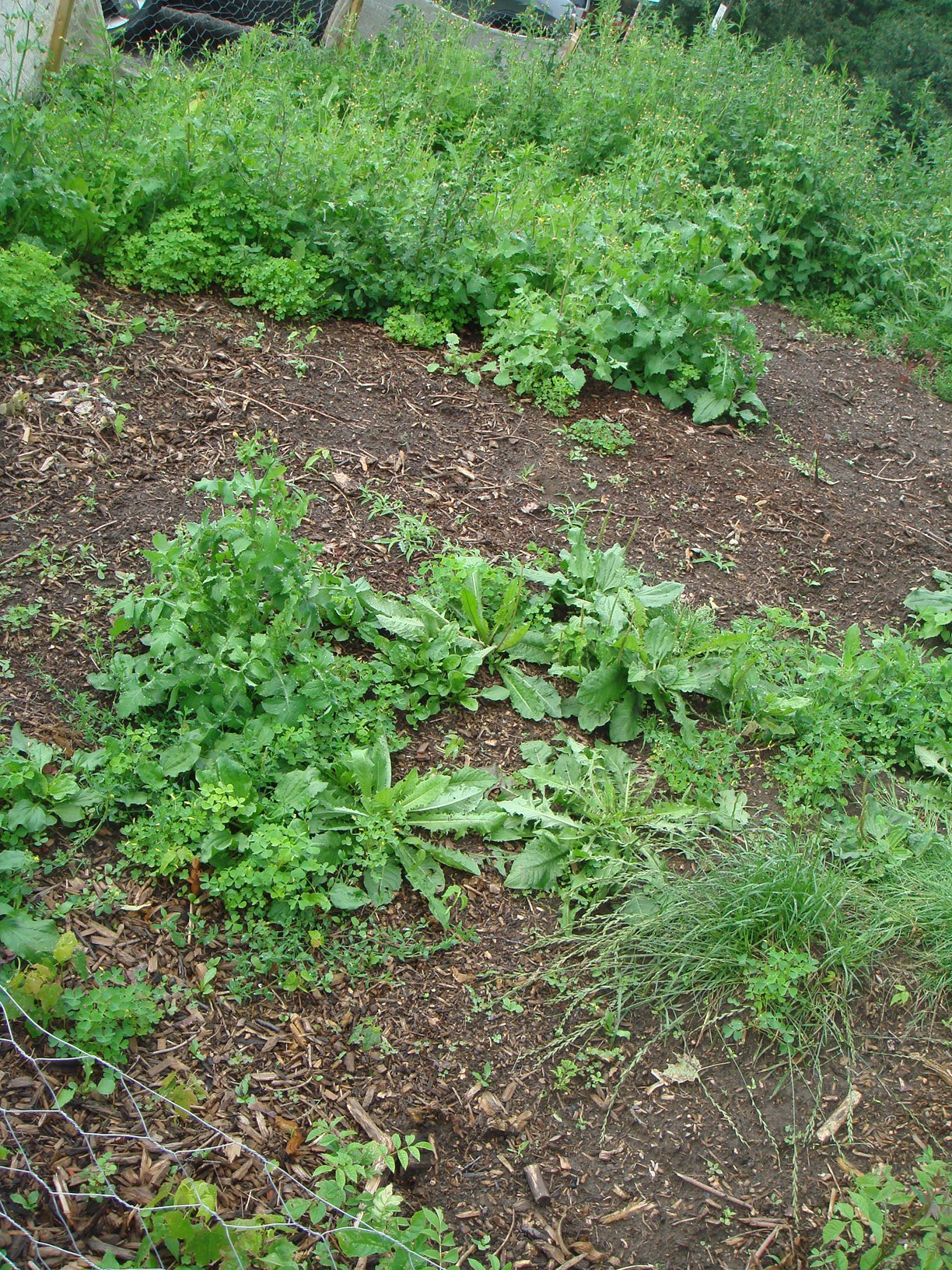
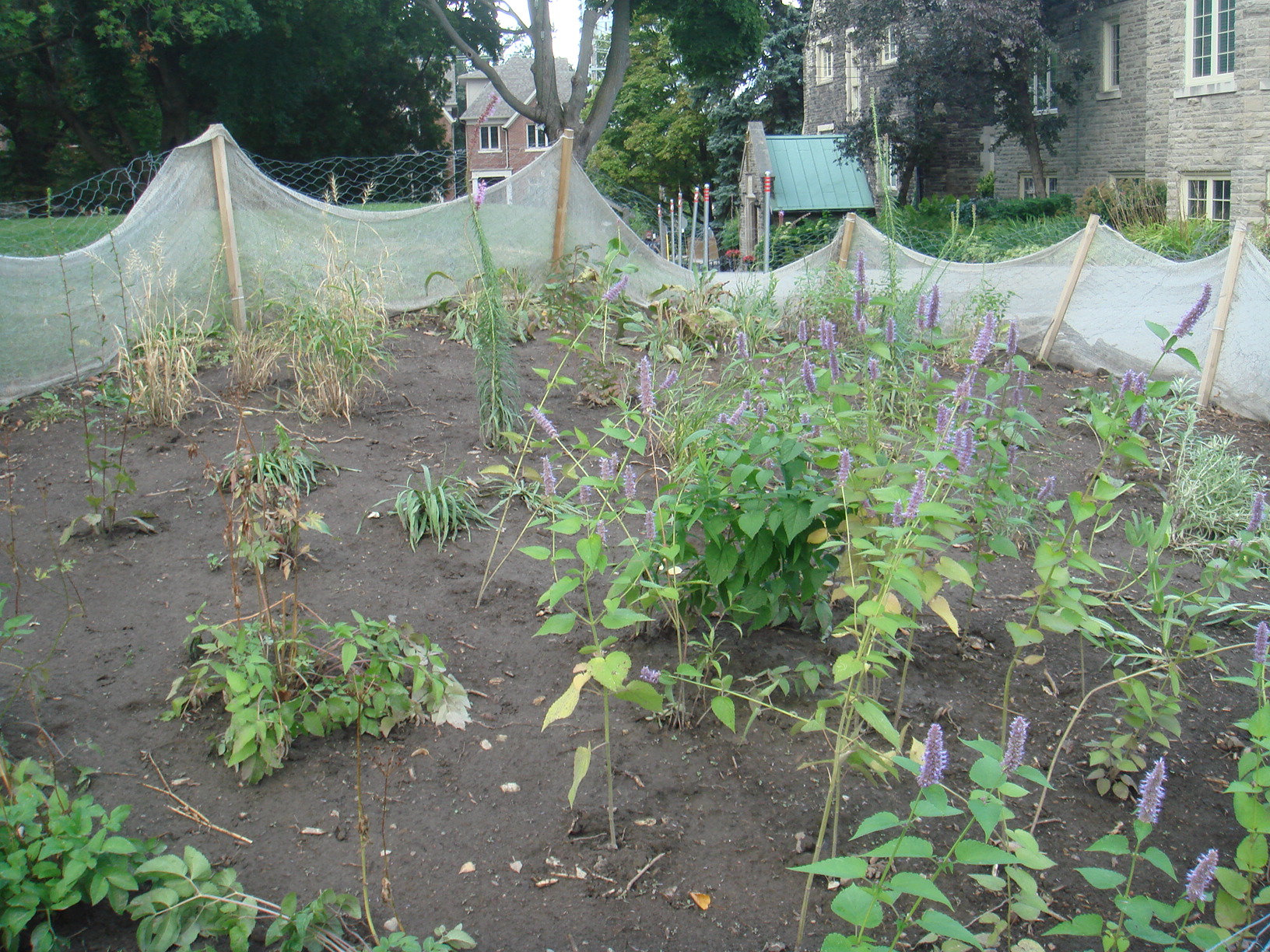
June 29, 2015: South view before weeding: the garden a month or so after pulling the stumps

June 29, 2015: South view before weeding: the garden a month or so after pulling the stumps

June 29, 2015: North view before weeding: looking along the side of the garden towards the hill

June 29, 2015: North view before weeding: looking along the side of the garden towards the hill

Breaking Ground Day!

The big day is finally here!

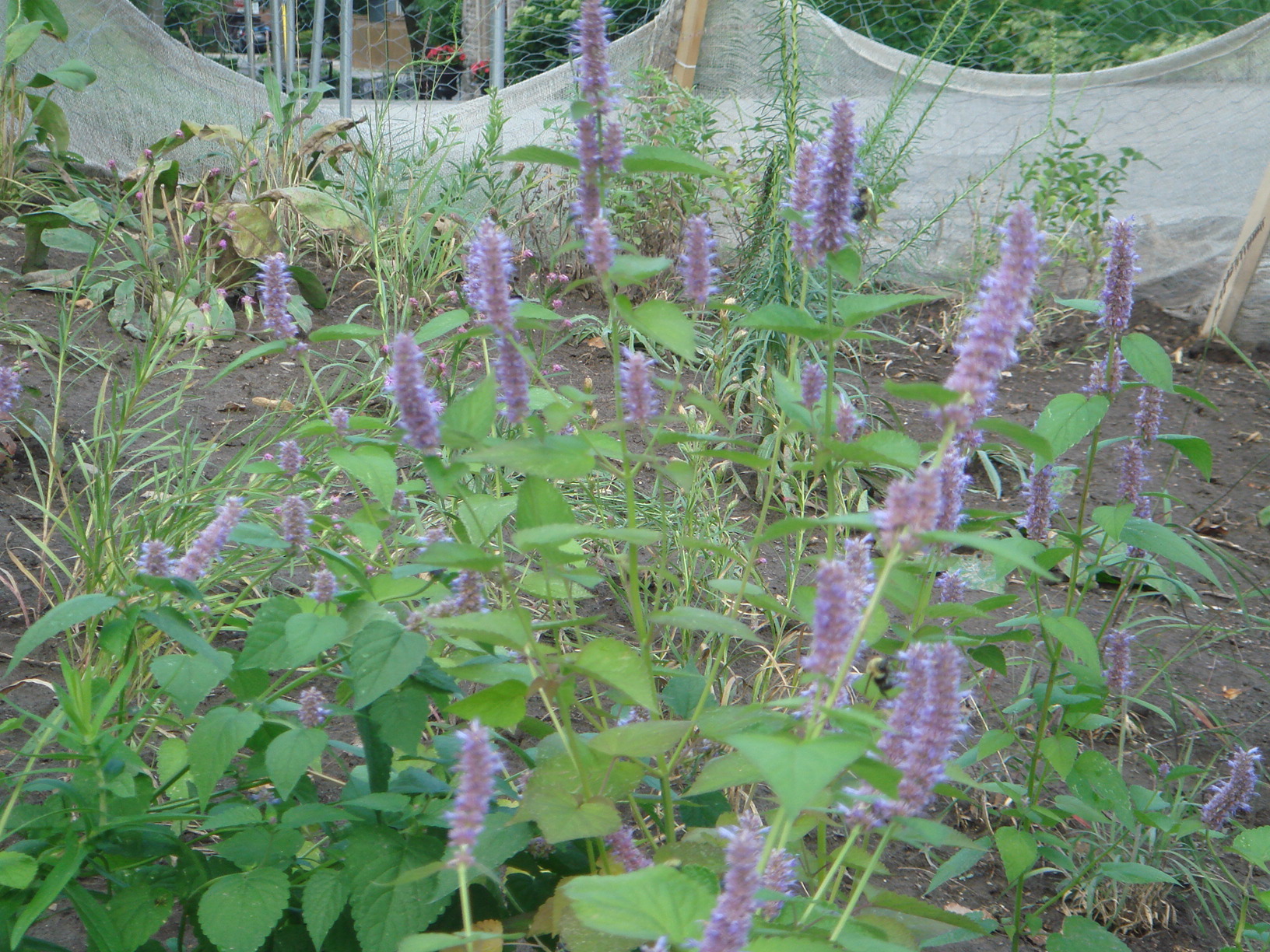
This afternoon the bushes and stumps will be pulled out of the garden bed at the top of the hill, making way for the pollinator garden to become a reality.  My mom really wanted this garden to happen and thanks to the help of a lot of people, it looks like we are ready to start.  Last Sunday at the church BBQ, Janet and I had a talk about possible plants and where everything will be placed in the bed.  She brought along a couple pots of native plants to give us an idea of size and the variety of leaves.  The bed faces south east and is perfect for attracting bees and butterflies.  Janet and Patrick were sure they saw Swallowtail butterfly while we were talking.  We hope that is only the beginning!

mother’s day 2015

may forsythia et al 2015 008

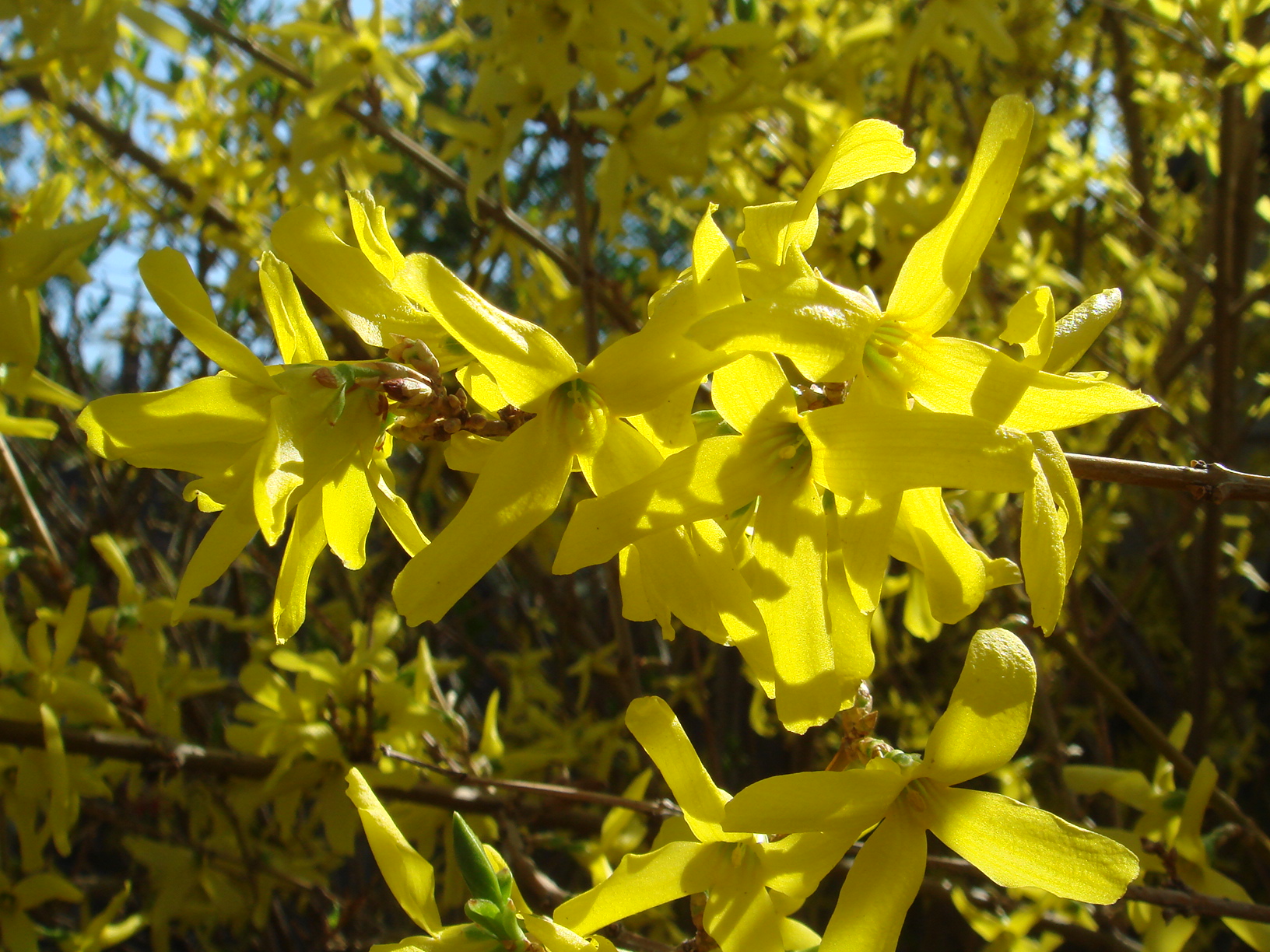
Just in time for Mother’s day, it bloomed.  I planted it with my mom a few years ago but this was the first time I saw the flowers.  It’s beautiful.  I guess I could be sad she never saw it, but I am happy for the gladness it is giving me today  – the first spring without my mom.  I got up early with the sun and started working in the garden or re-potted things inside when it we got some rainy spells.  It was the best way to be close, in her garden that she loved so much.

forsythia fever

may forsythia et al 2015 007

Back in April, what started as a light “icing sugar” dusting in small places ended up this week as broad, thick flags of yellow every where you look – no matter what the street.  Every morning my bus takes me past house-lined streets, sidelines of the Don Valley, a golf course, and pockets of commercial office complexes.  Forsythia bushes abound in all kinds of plantings and landscaping.  Some are trimmed to a compact shape, while others resemble my mother’s forsythia in the backyard.  She liked to let the branches grow long.  The blooming is like a spray of yellow star-bursts falling down to the ground.  On my way home – if I take the walking route – I pass three wonderful masses of forsythias.  That time of day the sun is low and shining through the yellow petals.  The yellow is indescribably intense – perhaps because there is so much of it.  The bushes are like portals into another reality where “yellow” is what you eat, sleep, and breathe.  Living in the “yellow place” is smooth and sweet like lemon sorbet, deeply satisfying, and it’s all you need.

may forsythia et al 2015 006

spring 2015

snow drops on first day of spring March 20-2015

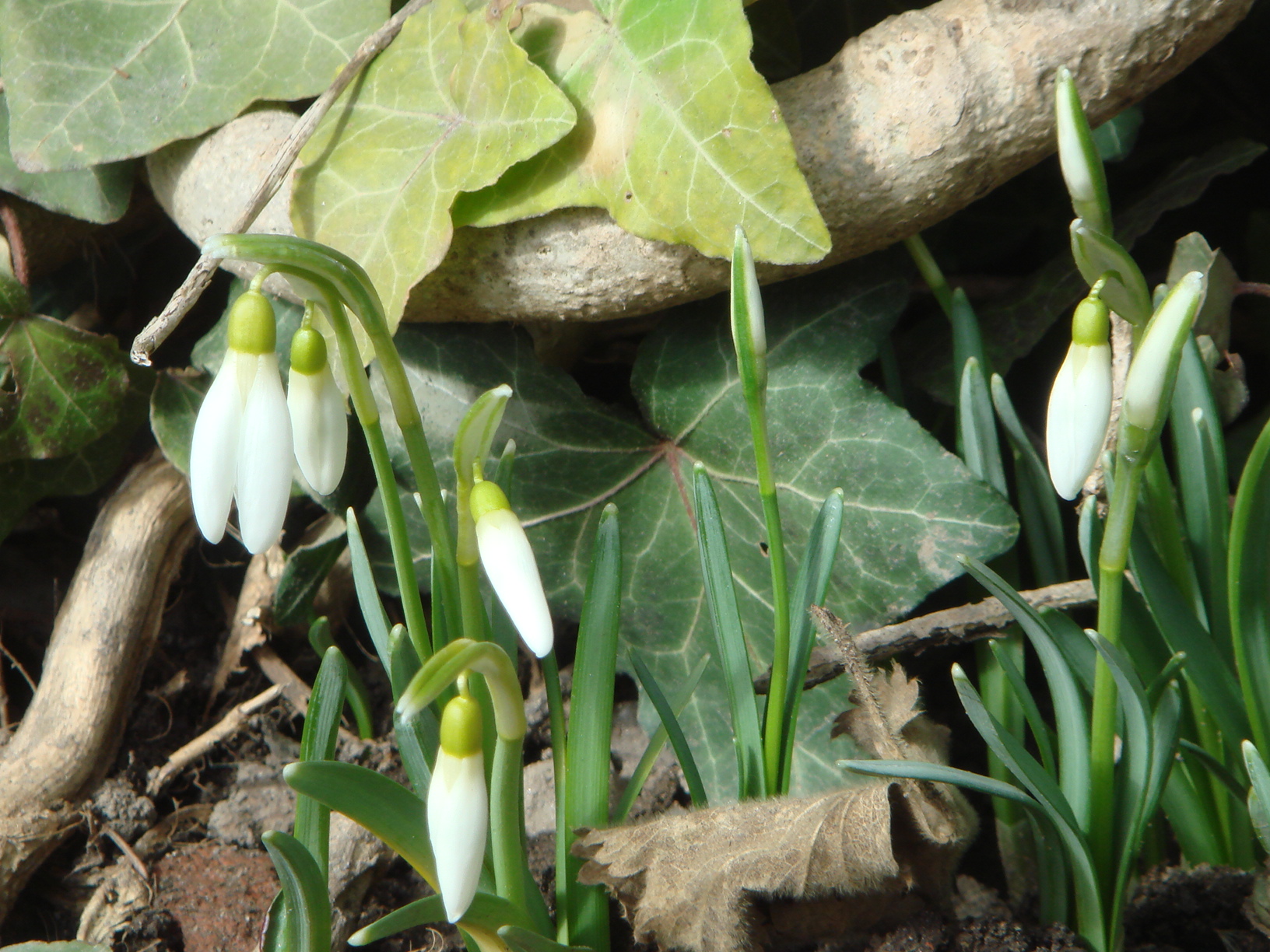
snowdrops on the first day of spring – march 20/2015

Spring means bleaching the birdbath and bringing the pots of lilies and assorted bulbs out of the garage.  They got a good soaking after getting home this afternoon to help the sprouting leaves fill out a bit.  A robin has been around the birdbath and garden since March, and a woodpecker pair visits again regularly. Both lady and male were hanging yesterday in tandem on the suet cage.  An energetic chipmunk pops by often – or maybe it’s a male and a female taking turns sorting through the seeds on the ground.  At any rate there are little surprises now every day travelling on paws or wings, and more sedentary ones blooming in quick succession: the last of the galanthus are giving way to blue scillia; grape hyacinths; daffodils; and hellebores.  The warm hug of sun on your skin, the gaze of a perfect blue sky, and lungs filled with earthy spring air is intoxicating – the winter wait was worth it!

spring garden 2015 004                 hellebores

Thanksgiving 2014

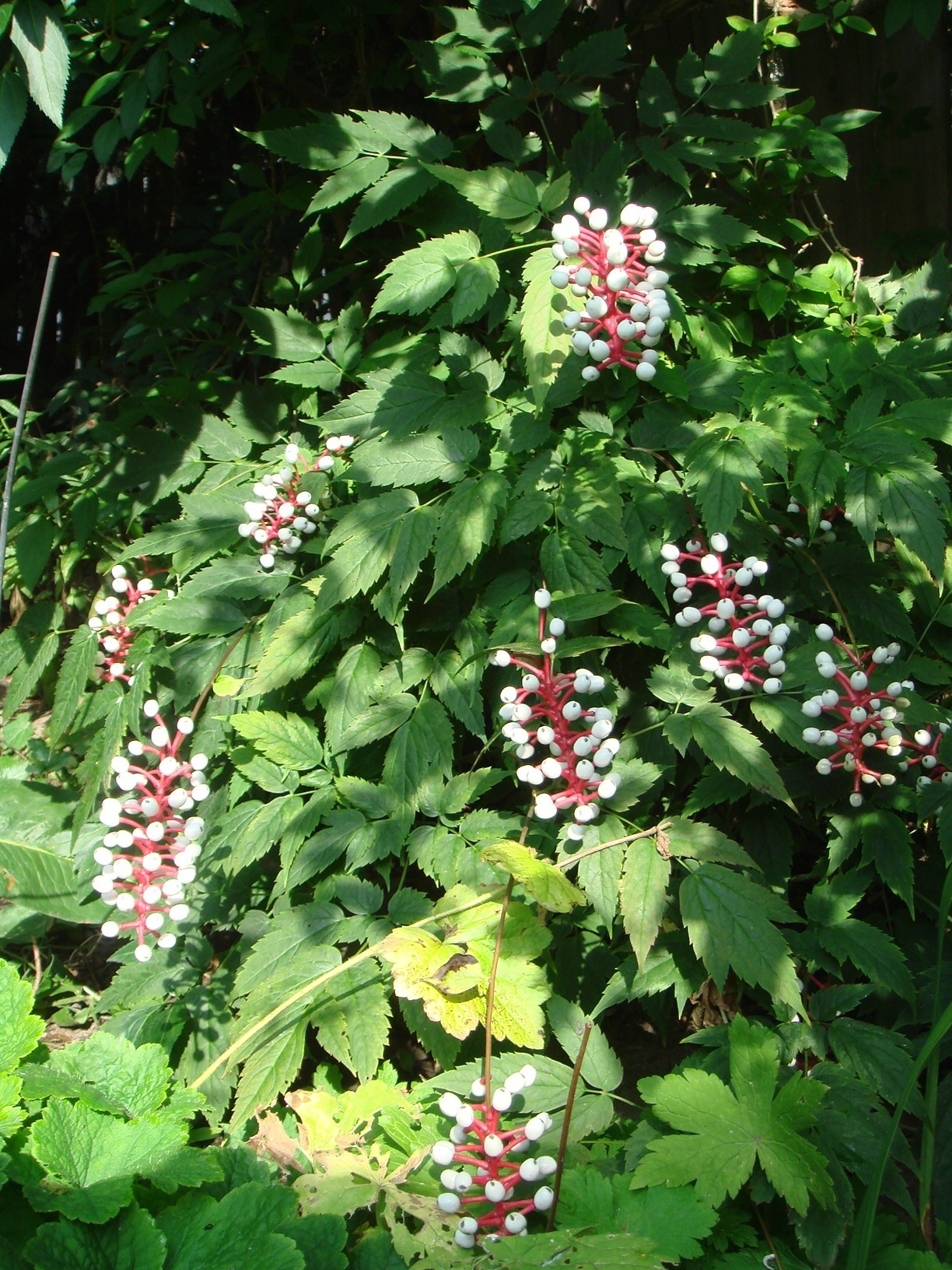
Baneberry OCTOBER-2014

This time of year, these berries jump out at my gaze with their extravagant colours just pleading for attention.  Every time I look out the window, I am reminded of my Mom and how much she loved this native plant, drawing and painting its berries and leaves in many different poses and angles.
It seems though, to be truly appreciated, the best portrayal is seeing as it takes the spotlight in the fading garden and turns the somber cloak of fall into a Mardi Gras celebration.

White Baneberry – Actea pachypoda

Culver’s Root

culvers root - AUGUST 20-2014 006   Like babies crawling over a crisp white duvet-covered bed, my backyard bees plough through each long spire of the Culver’s Root flower. This summer has been a time of patient waiting for anonymous green sprouts to turn into plants and then – when they are ready – offer up their flower to insects and my grateful gaze.  Some I recognize, others trigger a studious flipping through of my Mom’s collection of plant books.

Once the Culver’s Root plant delivered a bud with the long spikes, I had a chance of identifying it.  I found photos of it in two of my Mom’s books: Grow Wild! by Lorraine Johnson, and Pollinators of Native Plants by Heather Holm.  Now I know to identify it by the long green stalk with whorled leaves.  Besides the bees and wasps, lots of butterflies including the Red Admirals also like to inspect the little white flowers lined along each spike.

culvers root - AUGUST 20-2014 004


Let It Be

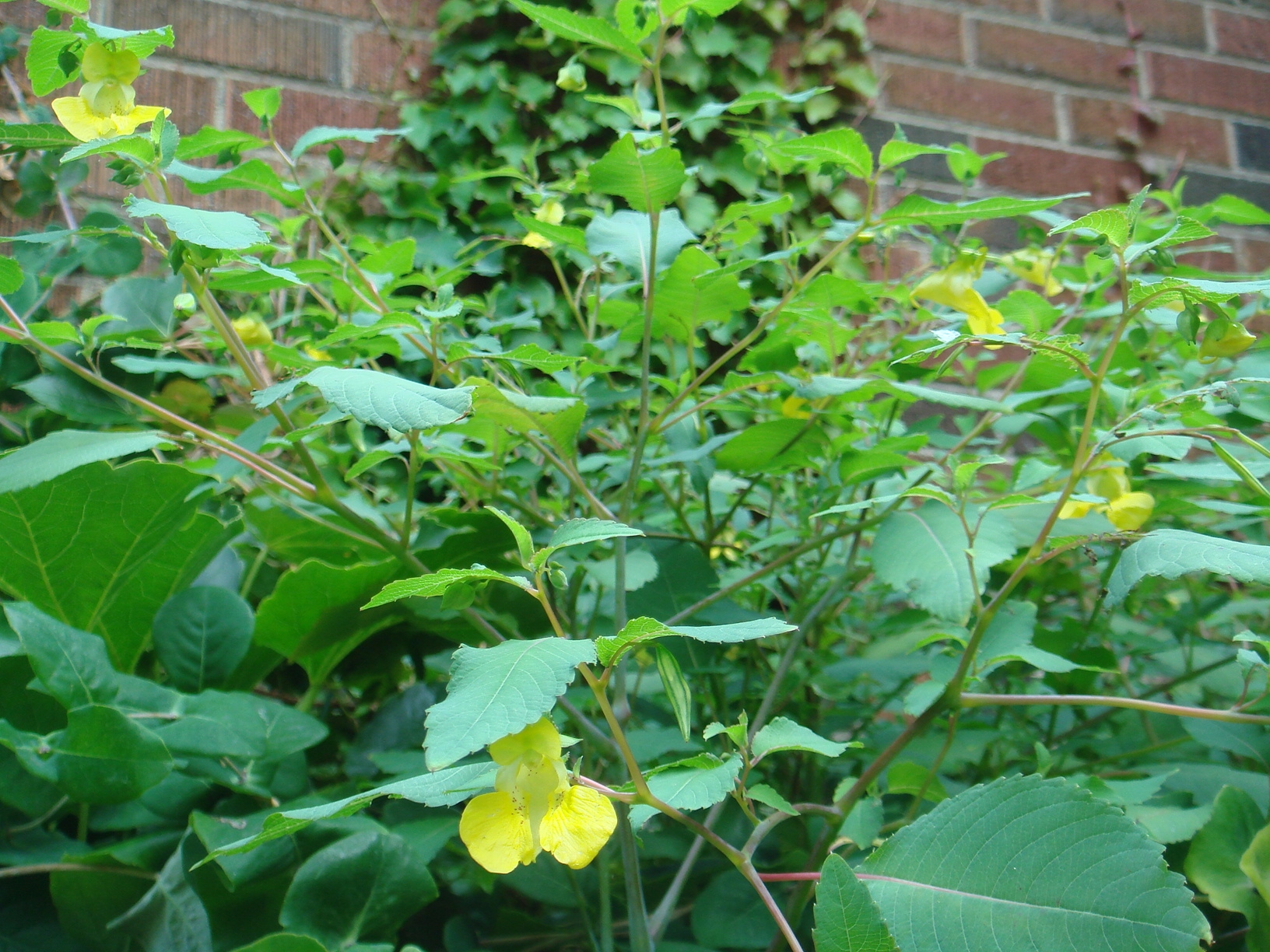
Jewelweed - AUGUST 08-2014 004    Next spring I may just let it be.
The Jewelweed that is – “Pale Jewelweed” to be precise.  I pulled a lot out of the back garden because the tall plants seemed to be sprouting up everywhere.  I remember Mom saying to just pull it out to keep them from crowding out the other plants, and as much as possible I’ve been trying to follow her voice in my head.  But this summer things have changed and the Jack-in-the-Pulpits have been in need of shade.  I started hanging an old blue flannel sheet in front of the the pulpit patch to keep off the afternoon sun – Mom would have been amused.

The dilemma started last summer when the big Elm in the backyard died. The space has gone from a shade to a full sun garden, and I feel some of the plants are reeling from too much of a good thing.  Even the Jewelweed isn’t suited to all the sun but it seems a pretty resilient native plant.  As long as I am around to make sure they get enough water, they can survive.  Looking at the spot where the Jack-in-the-Pulpits grow, a small number of Jewelweed could provide a canopy for the shorter pulpit plants.

Reading about “Impatiens pallida” I discover that their juice – especially the spotted variety – provides a Poison Ivy remedy. That use won’t be needed in my garden, but I love this time of year when the bees come to dance in their open flowers.  At eye level I gaze at pale yellow blooms looking like delicate earrings dangling above long flowing green gowns.  Shall we dance?